
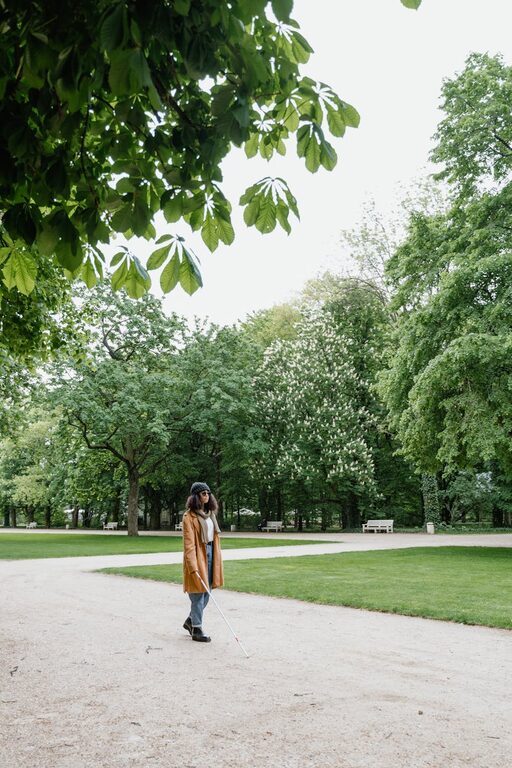
Mindful walking is a peaceful practice that combines movement with focused awareness. It allows you to connect with your body, mind, and surroundings while promoting relaxation and mental clarity. For beginners, it offers a gentle introduction to mindfulness that’s easy to incorporate into daily life.
In this guide, we’ll explore what mindful walking is, how to practice it effectively, and the benefits it can bring to your overall well-being.
What Is Mindful Walking?
Mindful walking is a form of meditation done while walking slowly and deliberately. Unlike regular walking, the goal isn’t to reach a destination quickly or rush through your steps. Instead, mindful walking focuses on fully experiencing the act of walking:
– Feeling each step as your foot touches the ground
– Noticing the sensations in your legs and feet
– Observing your breath and how it moves with your body
– Being aware of the sights, sounds, and smells around you
This practice encourages you to be present in the moment, gently redirecting your attention back if your mind starts to wander.
Why Try Mindful Walking?
In today’s fast-paced world, taking time to slow down and focus can reduce stress and increase mental clarity. Here are some key benefits of mindful walking:
– Improves concentration: By focusing on the simple task of walking, you train your brain to maintain attention.
– Reduces anxiety: Mindful walking promotes relaxation and can calm an overactive mind.
– Enhances physical health: Walking itself offers cardiovascular benefits, and being mindful can increase your enjoyment and motivation to move.
– Connects you to your environment: You become more aware of nature or your surroundings, which can boost feelings of happiness and gratitude.
Preparing for Your Mindful Walk
Before you begin, set yourself up for a successful mindful walking experience:
Choose Your Location
A quiet, safe path works best, whether it’s a park, garden, a calm street, or even inside your home or office. The key is a place where you won’t be easily distracted.
Set Aside Time
Start with 5 to 10 minutes. As you get more comfortable, you can extend your sessions.
Wear Comfortable Clothes and Shoes
Loose clothing and supportive shoes help you walk without discomfort or distraction.
How to Practice Mindful Walking: Step-by-Step
Follow these simple steps to start your mindful walking practice:
1. Begin with Stillness
Stand comfortably with your feet hip-width apart. Take a few deep breaths and feel your body grounded. Notice any tension and allow it to soften.
2. Start Moving Slowly
Begin to walk at a slower pace than usual. You don’t have to rush—take your time.
3. Focus on Your Feet
Pay attention to how your feet lift, move forward, and touch the ground. Notice the pressure, temperature, and movement.
4. Sync with Your Breath
Observe your breathing pattern. You might find it helpful to coordinate your breath with your steps (for example, inhale for three steps and exhale for three steps), but don’t force it.
5. Use Your Senses
Expand your awareness to include sights, sounds, smells, and sensations in your surroundings without judgment. For instance, listen to birds, feel the breeze, or notice colors around you.
6. Redirect Your Attention When Distracted
It’s natural for your mind to wander. When you notice this, gently guide your attention back to your walking and senses.
7. End with Stillness
After your walk, pause for a moment. Stand quietly, take some deep breaths, and appreciate the calmness you’ve cultivated.
Tips for Maintaining Your Practice
Consistency is key to enjoying the benefits of mindful walking. Here are some tips to keep you motivated:
– Make it a routine: Walk mindfully at the same time each day if possible.
– Use reminders: Set alarms or place notes where you’ll see them.
– Involve friends or family: It can be supportive and enjoyable to share the experience.
– Be patient and kind to yourself: Mindfulness is a skill that develops over time without pressure.
Common Challenges and How to Overcome Them
Wandering Mind
It’s normal to get distracted. When this happens, simply notice it without frustration and bring your attention back.
Feeling Restless or Impatient
If walking slowly feels odd, remind yourself that slowing down is the whole point. Try focusing on the sensations in your body to anchor your attention.
Difficulty Finding Time
Even a 5-minute session can be beneficial. Try short mindful walks after meals, during breaks, or when waiting.
Final Thoughts
Mindful walking is a simple yet powerful tool to nurture your mental and physical health. By slowing down and engaging fully in each step, you create space for calm, clarity, and connection. Starting with just a few minutes a day can gradually help you build a meaningful and enjoyable mindfulness practice.
Give mindful walking a try today—you may be surprised by how refreshing and grounding the experience can be. Happy walking!