
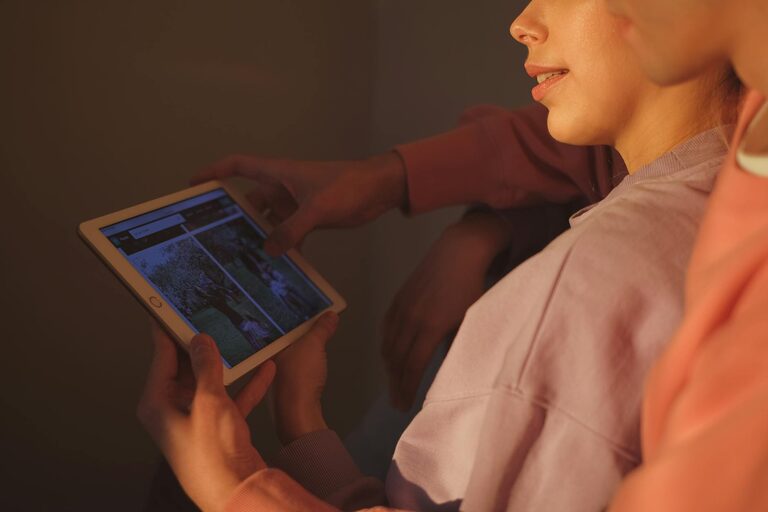
Creating a peaceful and enjoyable evening is essential for recharging after a long day. One popular way to unwind is by having a screen-light evening—a time to enjoy your favorite movies, shows, or digital activities in a calm and cozy atmosphere. This guide will help you plan the perfect screen-light evening, focusing on comfort, ambiance, and mindful use of screens to maximize relaxation.
What Is a Screen-Light Evening?
A screen-light evening means spending time engaged with screens such as a television, laptop, tablet, or smartphone, but doing so in a way that promotes relaxation rather than overstimulation. It emphasizes controlling the lighting and environment to reduce eye strain and improve overall comfort.
Why Plan a Screen-Light Evening?
While screens are often associated with distraction or stress, they can also be a source of entertainment, social connection, and relaxation when used thoughtfully. Planning your evening around screen time helps:
– Reduce eye strain caused by bright lights or harsh screens
– Create a cozy atmosphere that signals your brain it’s time to unwind
– Establish a routine that separates busy daytime activities from restful evening moments
– Avoid overstimulation by managing light and screen settings
Step 1: Choose the Right Time
Finding the best time for your screen-light evening depends on your daily schedule and sleep patterns. Ideally, start your evening session at least an hour before bedtime. This allows your body to begin winding down without the disruption of overly bright or blue-toned screens, helping promote better sleep.
Tips for Timing:
– Avoid late-night screen use if it interferes with sleep.
– Consider shorter sessions if you feel tired or distracted.
– Keep screen-light evenings regular to form a comforting routine.
Step 2: Select Your Screen and Content
Decide which device you want to use and what content fits your mood. Options include watching a favorite film, streaming a calming series, browsing photos, or playing light games. Tailor the experience to what helps you relax.
Content Ideas:
– Nature documentaries or travel shows
– Classic films or light comedies
– Audiobooks or podcasts with visuals
– Digital photo albums or creative apps
Step 3: Set Up Your Lighting
Lighting plays a crucial role in how your eyes respond to screens. Bright room lights or harsh overhead illumination can increase eye strain and reduce comfort. Instead, opt for dim, warm lighting to create a screen-light balanced setting.
How to Adjust Lighting:
– Use lamps with warm bulbs (2700K–3000K color temperature)
– Employ soft, indirect lighting like string lights or candles (real or LED)
– Avoid bright ceiling lights directly illuminating the screen area
– Dim your screen brightness or use “night mode” to reduce blue light
Step 4: Create a Cozy Environment
Your physical comfort affects how much you enjoy your screen-light evening. Arrange your space so you can relax fully without distractions or discomfort.
Tips for Setting Up:
– Choose a comfortable seat with cushions or blankets
– Keep a warm drink nearby, like herbal tea or hot chocolate
– Adjust room temperature to your liking
– Minimize background noise or play gentle music if you prefer
Step 5: Mind Your Screen Settings
Modern devices often have settings to help reduce eye strain during evening use. Activating these features supports a gentle screen-light experience.
Useful Screen Settings:
– Enable blue light filter, night mode, or eye comfort mode
– Lower screen brightness to a comfortable level
– Use larger font sizes or zoom to reduce eye effort
– Turn off notifications or activate “Do Not Disturb” to avoid interruptions
Step 6: Take Regular Breaks
Even when your environment is optimized, it’s important to pause regularly to rest your eyes and stretch your body. Follow the 20-20-20 rule: every 20 minutes, look at something 20 feet away for at least 20 seconds.
Additional Break Ideas:
– Stand up and walk for a minute or two
– Perform gentle neck or shoulder stretches
– Practice deep breathing or mindfulness for relaxation
Step 7: End the Evening Mindfully
As your screen-light evening draws to a close, transition gently to calm, screen-free activities. This helps your mind and body prepare for sleep.
Suggestions for Winding Down:
– Read a physical book or magazine
– Listen to soft music or nature sounds
– Write in a journal or practice gratitude
– Dim lights completely and focus on quiet mindfulness
Final Thoughts
Planning a screen-light evening is all about balance. By paying attention to the timing, lighting, environment, and your habits, you can enjoy your favorite screen-based activities without sacrificing comfort or relaxation. Give yourself permission to unwind intentionally, and turn your evening into a peaceful ritual that boosts well-being.
With these tips in hand, your next screen-light evening can become a cherished part of your daily routine—a time to relax, recharge, and enjoy your personal favorites in a gentle, eye-friendly way.